
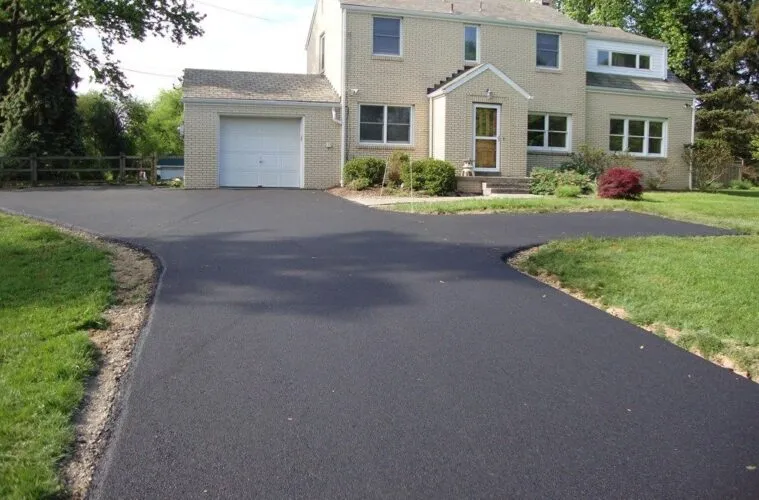
If you have ever stood at your front window during a heavy downpour, watching puddles form across a cracked or uneven driveway, you have probably wondered whether it is finally time to sort it out. For many homeowners in Bournemouth, the bigger question is not whether to install a new driveway, but when. Timing plays a bigger role than most people expect, affecting cost, durability, disruption, and even how long the surface lasts.
Having worked with homeowners across Bournemouth for years, one pattern is clear. The success of a driveway installation is heavily influenced by the season it is laid in. Weather, ground conditions, and contractor availability all matter, especially along the coast where conditions can change quickly.
This guide breaks down the best and worst times of year to install a new driveway, based on real on-site experience rather than theory.
Why Timing Matters More Than People Think
Installing a driveway is not just about laying blocks or pouring resin. It involves excavation, ground preparation, drainage, curing times, and sometimes coordinating with landscaping features like artificial grass. Each of those steps reacts differently to temperature and moisture levels.
In Bournemouth, the soil tends to hold moisture, particularly after winter. That means groundwork done at the wrong time of year can lead to settlement issues later. A driveway might look perfect on completion, only to sink or crack months later because the base was installed in poor conditions.
Choosing the right season reduces that risk significantly and often shortens the overall installation time too.
Spring: A Strong Balance of Conditions And Availability
Spring is often one of the best times to install a new driveway in Bournemouth. As the ground begins to dry out after winter, contractors can properly compact sub-bases without fighting excess moisture. Temperatures are mild, which helps materials such as resin and concrete cure evenly.
Another advantage of spring is planning flexibility. Many homeowners are preparing their properties for summer use, so driveway installation fits naturally alongside garden upgrades and artificial grass projects. From a practical standpoint, spring installations tend to finish on schedule with fewer weather-related delays.
That said, demand starts to rise from late March onwards. Booking early is important if you want your preferred installer and dates.
Summer: Fast Results But Higher Demand
Summer is the most popular time for driveway installation, and for good reason. Dry weather and warm temperatures create ideal working conditions. Materials cure quickly, excavation is straightforward, and disruption to your household is usually minimal.
However, popularity comes at a cost. Summer is peak season for driveway installation in Bournemouth. Installers are often booked weeks in advance, and prices can be slightly higher due to demand. Heat can also become an issue with certain surfaces, particularly resin, which needs careful handling in high temperatures to avoid surface imperfections.
Summer is an excellent choice if you plan ahead and secure a reputable contractor early.
Autumn: Underrated But Highly Effective
Autumn is one of the most overlooked times to install a new driveway, yet it often delivers excellent results. The ground is still warm from summer, which helps with compaction, while temperatures remain stable enough for proper curing.
For homeowners looking to complete major exterior work before winter, autumn can be a smart move. Contractors often have better availability, and installations are typically completed without the rush seen in summer.
The key consideration is timing. Once persistent rain sets in later in the season, groundwork becomes more challenging. Early to mid-autumn is the sweet spot.
Winter: Possible, But Not Ideal
While it is technically possible to install a new driveway in winter, it is rarely recommended unless absolutely necessary. Cold temperatures slow curing times, and excessive rain can compromise the sub-base. In some cases, installers may need to delay work mid-project due to weather, extending disruption.
That said, winter can suit small repair jobs or preparatory work, especially if you are planning a full driveway installation early in the new year. Full installations during winter should only be carried out during stable dry spells by experienced contractors.
How Different Driveway Types React to Seasons
Not all driveway materials behave the same way throughout the year. Block paving is generally the most forgiving, provided the base is installed correctly. Resin-bound surfaces are more sensitive to temperature and moisture, making spring and autumn ideal. Tarmac prefers warmer conditions, which makes late spring through summer the safest window.
If your project also includes artificial grass, coordination matters. Artificial grass installation benefits from dry conditions and firm ground, so aligning it with driveway installation in spring or early autumn often produces the cleanest finish.
Cost Considerations Across The Year
Many homeowners assume winter is always cheaper. In reality, cost differences are more subtle. While off-peak seasons may offer slightly more competitive pricing, weather delays can offset those savings. Spring and autumn often provide the best balance of price, quality, and reliability.
According to UK home improvement data, projects completed in stable weather conditions are significantly less likely to require remedial work within the first five years. That long-term value often outweighs any short-term savings from poorly timed installations.
Planning Ahead For Bournemouth Properties
Bournemouth’s coastal climate means salt air, drainage, and ground stability all need careful consideration. A well-timed driveway installation that includes proper drainage design will last considerably longer than one rushed into the wrong season.
If you are planning to install a new driveway as part of a wider exterior upgrade, aligning timelines matters. For example, completing driveway installation before artificial grass reduces the risk of damage and keeps your landscaping crisp.
Frequently Asked Questions
What is the best month to install a new driveway in Bournemouth?
Late April through June and early September through October are generally the most reliable months due to stable weather and good ground conditions.
Can a driveway be installed during rainy periods?
Light rain is manageable, but prolonged wet weather can compromise groundwork. Experienced installers may pause work to protect long-term quality.
Does driveway installation take longer in colder months?
Yes. Cold temperatures slow curing times and can extend installation schedules, particularly for resin and concrete surfaces.
Should I install artificial grass before or after a driveway?
It is usually best to complete driveway installation first to avoid damaging newly laid artificial grass during excavation and machinery access.
Final Thoughts And Next Steps
If you are planning to install a new driveway in Bournemouth, timing is one of the smartest decisions you can make. Spring and early autumn consistently deliver the best results, balancing weather conditions, availability, and long-term durability. Summer works well too, provided you plan early and work with experienced professionals.
A well-installed driveway is not just about appearance. It improves drainage, boosts kerb appeal, and adds genuine value to your property when done right and at the right time.


