
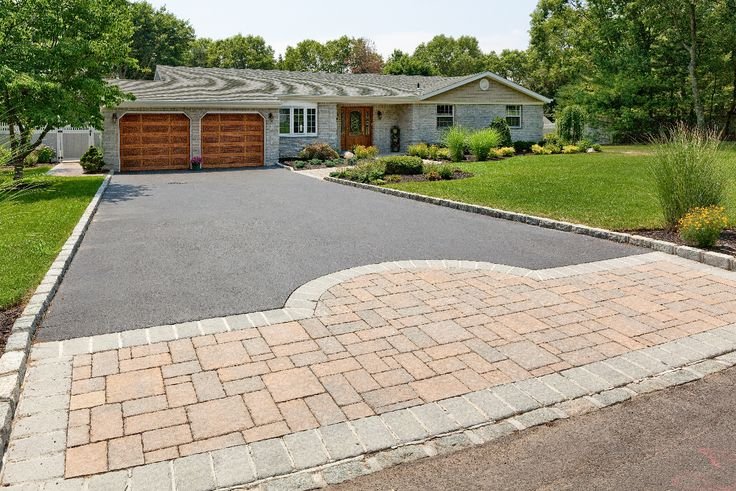
When most homeowners in Bournemouth think about renovating a driveway, the motivation is usually practical or aesthetic. Cracks are spreading, drainage is poor, weeds are taking over, or the surface simply looks dated. What often goes unnoticed is the environmental impact of that ageing driveway.
In a coastal town where heavy rainfall, drainage pressure and rising summer temperatures are increasingly common, the surface surrounding your home plays a significant role. The Environmental Benefits of Driveway Renovation extend well beyond appearance. A well-planned driveway installation can improve water management, reduce waste, lower heat retention and support more sustainable landscaping choices.
Understanding the Environmental Impact of Older Driveways
Non-Permeable Surfaces and Surface Water Runoff
Many older properties across Bournemouth still have traditional concrete or impermeable tarmac driveways. While durable, these materials do not allow rainwater to soak naturally into the ground. Instead, water runs directly into street drains.
During periods of heavy rainfall, this contributes to localised flooding and increased strain on drainage infrastructure. According to UK environmental guidance, urban hard landscaping is a key factor in surface water management challenges.
When a driveway is cracked or poorly laid, runoff can also carry sediment and debris into drains and nearby water systems. Over time, this can affect soil quality and local ecosystems.
Driveway renovation presents an opportunity to address these issues with more sustainable alternatives.
Sustainable Drainage and Permeable Driveway Installation
Supporting Natural Water Absorption
One of the most significant Environmental Benefits of Driveway Renovation is improved drainage through permeable materials.
Modern driveway installation methods often incorporate Sustainable Drainage Systems (SuDS). Permeable block paving, resin-bound gravel and designed drainage layers allow rainwater to filter through the surface and into the ground below. This mimics natural absorption and reduces excess runoff.
In Bournemouth, where coastal rainfall patterns can be intense, this is particularly important. Homeowners who switch from impermeable concrete to permeable paving frequently report a noticeable reduction in standing water after storms.
Compliance with Local Planning Considerations
Current UK regulations encourage permeable surfacing for driveways over five square metres. In many cases, using a permeable system removes the need for additional planning consent.
Beyond compliance, these systems actively contribute to groundwater replenishment and flood mitigation at a local level.
Reducing the Urban Heat Effect
Surface Temperature and Energy Efficiency
Traditional tarmac and dark concrete absorb significant heat during summer months. This contributes to the urban heat island effect, where built-up areas retain more warmth than surrounding countryside.
By contrast, lighter-coloured block paving or resin-bound finishes reflect more sunlight. This can reduce surface temperature around the property, creating a more comfortable external environment.
While the direct impact on household energy bills may be modest, reduced heat absorption around the building envelope supports broader energy efficiency efforts.
Integration with Artificial Grass Installation
Combining driveway renovation with Artificial Grass installation can further moderate surface heat and eliminate the need for watering, fertilisers or petrol-powered mowing equipment. This reduces both water consumption and carbon emissions associated with garden maintenance.
When installed correctly with appropriate drainage layers, artificial grass offers a low-maintenance, water-efficient landscaping solution that complements permeable driveway systems.
Minimising Waste Through Long-Term Durability
The Cost of Repeated Repairs
Driveways that are patched repeatedly often generate more waste over time than a properly executed full renovation. Temporary repairs consume additional materials, transport fuel and labour, while failing to address underlying structural issues.
A comprehensive driveway installation, with proper sub-base preparation and compaction, significantly extends lifespan. High-quality block paving or resin systems can last two to three decades when maintained correctly.
Longevity reduces the environmental footprint associated with repeated construction cycles.
Responsible Material Recycling
Many reputable contractors in Bournemouth now recycle removed concrete and tarmac. Crushed materials can be repurposed as sub-base layers for new installations, reducing landfill waste and conserving raw resources.
When selecting a contractor, it is worth discussing how old materials will be handled and whether recycled aggregates will be incorporated into the project.
Supporting Biodiversity and Healthier Outdoor Spaces
Reducing Chemical Use
Uneven or deteriorating driveways often encourage weed growth, leading homeowners to rely on chemical treatments. Over time, these substances can wash into surrounding soil and drainage systems.
A properly installed driveway with stable joints and sealed edges reduces weed penetration naturally, lowering the need for chemical interventions.
Artificial Grass installation also removes the requirement for fertilisers and pesticides commonly associated with traditional lawns.
Creating Balanced Hard and Soft Landscaping
Thoughtful driveway renovation can incorporate planting borders or transitional areas between hard surfaces and garden spaces. Even small adjustments contribute to urban biodiversity by providing habitat for insects and pollinators.
In a coastal environment such as Bournemouth, where ecosystems are sensitive, incremental improvements across residential properties can have meaningful cumulative effects.
Frequently Asked Questions
Are permeable driveways genuinely more environmentally friendly?
Yes. By allowing rainwater to soak into the ground rather than flowing directly into drains, permeable systems reduce surface runoff and support sustainable drainage practices.
Is driveway renovation expensive compared to repairs?
While the initial cost of full driveway installation may exceed minor repairs, long-term durability and reduced maintenance often make renovation more cost-effective over time.
Does artificial grass harm the environment?
When high-quality products with effective drainage systems are used, Artificial Grass installation reduces water consumption and eliminates chemical treatments. Selecting durable materials ensures long service life and minimises replacement frequency.
Do Bournemouth homeowners need planning permission?
In most cases, permeable driveways do not require planning permission. Non-permeable surfaces exceeding five square metres may require approval. It is advisable to confirm current local guidance before proceeding.
A Strategic Investment for Bournemouth Homes
Driveway renovation should not be viewed solely as an aesthetic upgrade. It represents an opportunity to improve drainage, reduce environmental strain, enhance durability and create a more sustainable external space.
The Environmental Benefits of Driveway Renovation are particularly relevant in Bournemouth, where coastal weather conditions demand resilient and responsible surface solutions.
Choosing permeable materials, prioritising professional driveway installation and considering complementary Artificial Grass installation can collectively reduce your property’s environmental footprint.
If you are considering upgrading your driveway, seek advice from a contractor with proven local experience. A properly designed renovation not only enhances kerb appeal but contributes to long-term environmental performance.


