
Everyone knows the frustration. You’ve finally got your dream car, or perhaps you’ve just invested in improving your home’s exterior, but every time you mount the pavement to park, you wince. It’s not just the potential damage to your vehicle’s suspension or tyres; it’s the legal grey area you might be parking in.
Crossing a pavement without a proper vehicle crossing, commonly known as a dropped kerb, isn’t just bad for your car; it is actually against the law under the Highways Act 1980. If you are tired of roadside parking scraps or want to legally access your driveway, getting a dropped kerb is the essential first step.
This isn’t just about ticking a council box. It’s about seamless access, increasing your property value, and ensuring your new driveway is 100% legal. Whether you are upgrading an existing space or planning brand-new driveway installations, understanding the local landscape in Bournemouth is vital.
What Exactly Is a Dropped Kerb?
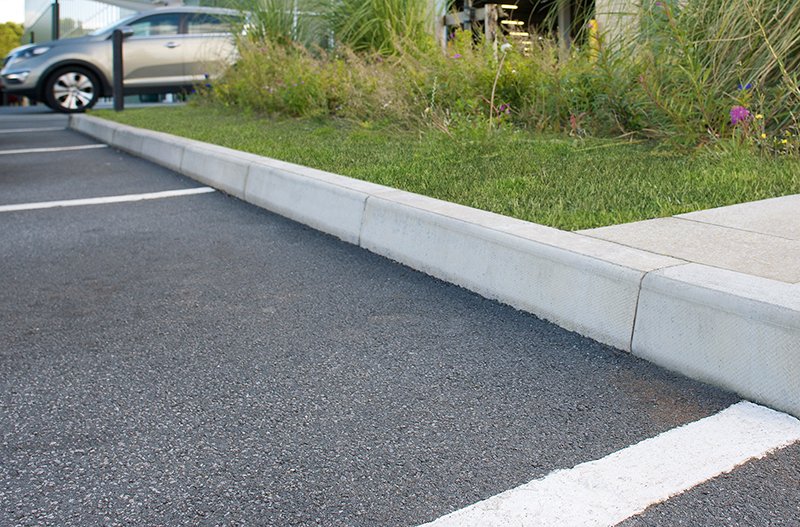
Before we dive into the bureaucracy of Bournemouth Christchurch and Poole (BCP) Council, let’s clarify the terminology. A dropped kerb involves lowering the pavement kerb and strengthening the pavement itself to withstand the weight of vehicles.
Standard pavements are built for pedestrians, not two-tonne SUVs. If you drive over a standard footpath repeatedly, you will damage the utility pipes and cables buried shallowly beneath the surface. A proper installation reinforces this area, creating a smooth transition from the road to your property.
Navigating BCP Council Permissions
Living in Bournemouth means dealing with specific local regulations. Since the merger of the boroughs, BCP Council handles all vehicle crossing applications. You cannot simply hire a builder to sledgehammer the kerb this weekend. The pavement is public highway land, and altering it requires strict permission.
Do You Need Planning Permission?
Not always, but often yes. You will generally require planning permission if:
- Your property is on a classified road (A, B, or C road).
- Your property is a listed building or in a conservation area.
- You are creating a hardstanding (driveway) that isn’t made of porous materials (like gravel or permeable resin) and doesn’t drain water within your property boundary.
If you live on a quiet unclassified residential street and use permeable materials for your driveway, you might fall under “Permitted Development” rights. However, you always need permission from the Highways department, regardless of planning permission status.
The Application Process
The process in Bournemouth typically follows these steps:
- Initial Assessment: You apply via the BCP Council website for a vehicle crossing.
- Site Inspection: A highways officer will visit your property to check for obstacles like trees, lamp posts, or utility boxes. They also check visibility splays—can you see traffic clearly when exiting?
- Approval: Once approved, you have a limited time (usually 6 months to a year) to complete the work.
Top Tip: If there is a street tree within one metre of where you want your crossing, your application will likely be refused to protect the root systems.
Choosing the Right Contractor
This is where many homeowners get caught out. You cannot use just any builder for this job. For work on the public highway, the contractor must hold Street Works Accreditation (NRSWA) and have £10 million in Public Liability Insurance.
If you use an unaccredited cowboy builder, the council can force you to rip it out and pay for them to reinstate the original pavement, leaving you thousands of pounds out of pocket. Always ask to see their Street Works card before they break ground.
Technical Specifications: How It’s Done
A proper dropped kerb installation isn’t just about lowering the stone. It’s a structural alteration.
Excavation and Sub-base
The existing pavement is excavated to a significant depth. We aren’t just skimming off the top; we need to lay a new, stronger foundation. This usually involves a Type 1 MOT sub-base, compacted thoroughly to prevent sinking.
The Kerb Stones
The standard ‘bull-nose’ kerbs are removed and replaced with specific ‘bull-nose dropper’ kerbs (the sloping ones) and ‘flat top’ kerbs for the crossing itself. These must match the aesthetic of the existing street—concrete for standard roads, or perhaps granite for conservation areas in parts of Bournemouth like Talbot Woods or West Overcliff.
The Surface
The final surface of the pavement crossing is usually tarmac (bitmac), laid flush with the dropped kerbs. It needs to be rolled smooth to ensure no trip hazards for pedestrians.
The Perfect Pair: Dropped Kerbs and Resin Driveways
Once you have your legal crossing sorted, the focus turns to your actual driveway. In recent years, we have seen a massive surge in resin driveways across Dorset. Why? Because they solve a major headache regarding planning permission.
SUDs Compliance
As mentioned earlier, you need planning permission if your driveway causes water runoff onto the public highway. Resin bound driveways are fully permeable. This means rainwater drains through the surface and back into the ground naturally.
By pairing your dropped kerb application with a resin driveway installation, you are often ticking the “Permitted Development” box regarding drainage. It simplifies the paperwork significantly.
Aesthetic Continuity
A dropped kerb transitions seamlessly into resin. The clean lines of a lowered kerb meeting a smooth, aggregate resin finish look incredibly sharp. It instantly modernises the frontage of a house, which is crucial if you are looking to sell in a competitive market like Bournemouth.
Common Obstacles in Bournemouth
In our experience, a few specific issues crop up repeatedly in the BCP area:
- Verges: If there is a grass verge between the road and the pavement, this needs to be hardened with special load-bearing honeycomb pavers or tarmac, which increases the cost.
- Utility Covers: Bournemouth’s pavements are riddled with stopcock covers and cable TV hatches. If these sit where your crossing needs to go, they may need lowering or reinforcing, which requires coordination with utility companies.
- Parking Bay Suspensions: If you live in an area with controlled parking zones (like near the beaches or town centre), you may need to pay to suspend parking bays while the work is carried out.
Estimated Costs
While it is impossible to give an exact quote without seeing the site, homeowners in Bournemouth should budget realistically.
- Council Application Fees: Expect to pay between £150 and £300 just for the inspection and administration fees to BCP Council.
- Construction Costs: For a standard crossing (roughly 3-5 kerbs wide), construction costs typically range from £1,200 to £2,500 + VAT.
- Extras: Moving a lamp post can cost upwards of £1,000. Strengthening utility covers can add hundreds more.
Cheap quotes should ring alarm bells. Quality materials and accredited labour cost money. If a quote seems too good to be true, they are likely cutting corners on the sub-base depth or lack the necessary insurance.
Frequently Asked Questions
Can I install a dropped kerb myself?
No. Unless you hold the specific New Roads and Street Works Act (NRSWA) accreditation and the required £10m public liability insurance, you cannot work on the public highway. It is illegal and dangerous.
How long does the process take?
From submitting your application to the council to the final tarmac being rolled, expect a timeline of 8 to 12 weeks. The council approval part usually takes 4-6 weeks, and booking a reputable contractor can take a few weeks more.
Does a dropped kerb add value to my home?
Absolutely. In busy areas of Bournemouth where street parking is a nightmare, guaranteed off-road parking is a massive selling point. It can add significantly more value than the cost of installation, whilst lowering your car insurance premiums.
What is the minimum width for a driveway?
Generally, the council requires your driveway (hardstanding) to be at least 4.8 metres deep and 2.4 metres wide to ensure a standard car fits without overhanging the pavement.
Can my application be refused?
Yes. Common reasons include proximity to junctions (usually must be 10m away), poor visibility, proximity to trees, or if the property is on a dangerous bend.
Ready to Transform Your Home’s Access?
Navigating the rules of the road literally can be tricky. But securing proper access to your home is one of the best investments you can make. It protects your car, improves your home’s kerb appeal, and keeps you on the right side of the law.
If you are considering a dropped kerb, start by looking at the BCP Council website for their specific guidance notes. And if you are looking to overhaul your entire frontage, remember that Driveway Installations and dropped kerbs go hand-in-hand. Whether you opt for block paving or modern Resin Driveways, getting the access right is the foundation of a successful project.
Don’t let the paperwork put you off. With the right advice and an approved contractor, you’ll be parking on your own drive in no time.
Need expert advice on your driveway project? Contact our team today for a free consultation and let us help you navigate the path to the perfect driveway.


