
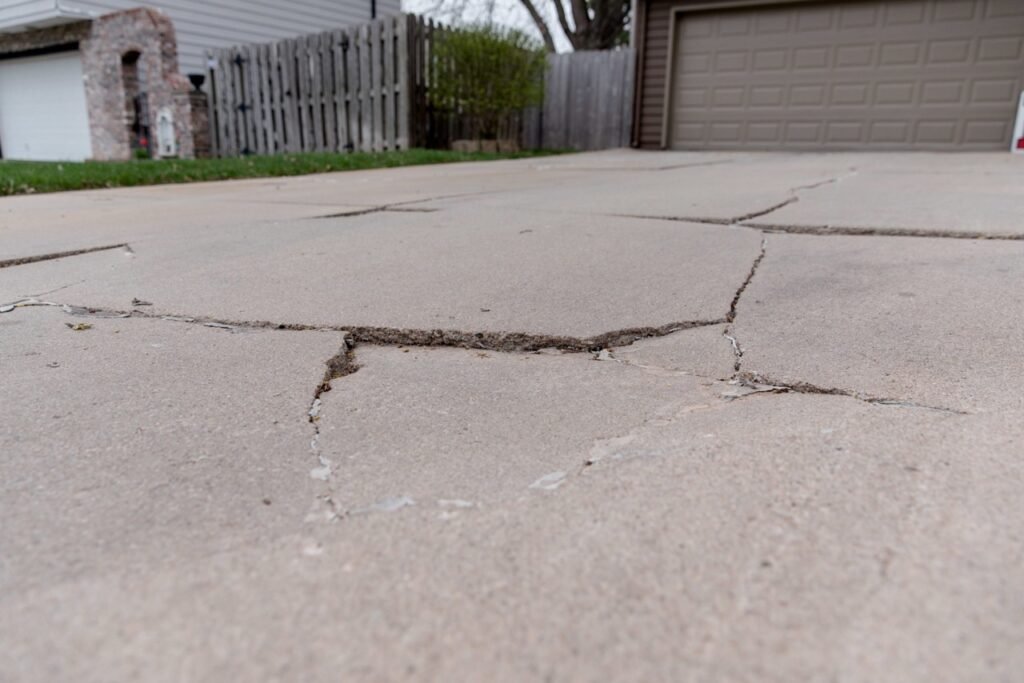
If you live in Bournemouth, chances are you have seen driveways that looked fine a few years ago now showing thin lines, wider gaps, or even sunken sections. Cracks rarely appear overnight. They usually start small and quietly worsen until repairs feel unavoidable. Homeowners often assume cracking is just down to age, but in reality, the causes are far more specific and, in many cases, preventable.
This guide looks closely at what causes driveways to crack, why the coastal climate around Bournemouth makes certain problems more likely, and what practical steps actually help extend the life of a driveway. Everything here is based on real-world installation experience rather than theory.
Why Driveway Cracks Are More Than A Cosmetic Issue
A cracked driveway does not just affect how your home looks. Once water finds its way into small fractures, it weakens the base layers beneath the surface. Over time, this leads to wider cracking, loose sections, drainage problems, and in some cases full structural failure. In areas with frequent rainfall like Bournemouth, water damage accelerates this process.
Research from UK paving contractors consistently shows that moisture-related failure is one of the leading reasons driveways need replacing earlier than expected. What starts as a hairline crack often ends as a costly rebuild.
Poor Ground Preparation Beneath The Driveway
One of the most common causes of driveway cracking happens long before the surface material is laid. If the ground underneath is not properly excavated, compacted, and layered, movement is inevitable. Coastal soil around Bournemouth often contains higher moisture content and softer ground conditions, which makes preparation even more important.
When the sub-base is too shallow or poorly compacted, it settles unevenly. The surface above has no flexibility to cope with that movement, so cracks begin to form. This is particularly common with older driveways installed before modern groundwork standards became common practice.
Weather Exposure And Seasonal Movement
Temperature changes play a major role in driveway damage. During warmer months, materials expand slightly. In colder periods, they contract. Over time, this constant movement creates stress within the surface. While the UK does not experience extreme temperature swings, repeated freeze and thaw cycles still occur during winter.
In Bournemouth, salt air and higher humidity add another layer of pressure. Moisture trapped within small surface gaps expands when temperatures drop, pushing cracks wider. Driveways without proper drainage or sealing suffer the most.
Heavy Vehicle Loads And Repeated Pressure
Most residential driveways are designed for cars, not vans, delivery vehicles, or repeated heavy loads. Over time, extra weight causes surface fatigue, especially near turning points or parked wheel areas.
Cracking often appears first near garage entrances or at the edge of the driveway where support is weakest. Once the structure begins to flex under weight, surface fractures follow. This is why experienced installers always ask how the driveway will be used, not just how it should look.
Poor Drainage And Standing Water
Water is one of the most damaging forces for any driveway. If rainwater is not directed away properly, it pools on the surface or seeps into cracks. Over time, this erodes the base layers and weakens the overall structure.
In Bournemouth, where rainfall is spread consistently throughout the year, drainage mistakes are a common issue. Driveways without sufficient fall or edge drainage channels tend to crack faster than those designed to move water away efficiently.
Material Choice And Installation Quality
Different driveway materials behave differently under stress. Concrete and tarmac are strong but rigid, which makes them more prone to cracking if movement occurs underneath. Block paving allows some flexibility but still relies heavily on correct installation.
Modern options such as Resin Driveways have become increasingly popular because they combine strength with flexibility. When installed correctly, resin-bound surfaces allow minor ground movement without visible cracking. However, poor installation can still lead to failure regardless of material choice.
Edging Issues And Boundary Movement
Cracks often form along the edges of a driveway, especially where it meets fencing, walls, or garden borders. If edging restraints are weak or missing, the surface can spread outward under pressure.
This is where well-planned Fencing Services and boundary installations play an unexpected role. Secure, correctly installed fencing and edging help stabilise surrounding ground, reducing lateral movement that contributes to cracking over time.
How To Prevent Driveway Cracks Before They Start
Prevention starts with proper design and preparation. A deep, well-compacted sub-base is essential, particularly in coastal areas with softer soil. Drainage should be built into the design rather than treated as an afterthought.
Choosing materials that suit both usage and environment matters more than aesthetics alone. In Bournemouth, driveways that allow slight movement and shed water efficiently tend to last longer. Regular sealing and surface inspections also help catch early signs of damage before cracks spread.
Ongoing maintenance should never be ignored. Clearing debris, addressing small surface flaws, and keeping drainage channels clear all contribute to long-term durability.
Real-world Experience From Bournemouth Installations
Local installers often see cracking within five years on driveways where groundwork was rushed or drainage ignored. By contrast, driveways built with deeper sub-bases and proper water management regularly last decades with minimal repair. According to UK trade data, corrective groundwork after failure can cost up to three times more than proper installation from the outset.
Frequently Asked Questions About Driveway Cracking
What causes driveways to crack most often in Bournemouth
The most common causes are poor drainage, inadequate ground preparation, and moisture-related ground movement. Coastal conditions make these issues more likely if not accounted for during installation.
Are cracks inevitable over time
Some minor surface wear is normal, but significant cracking is not inevitable. Well-designed driveways with proper materials and maintenance can remain crack-free for many years.
Can small cracks be repaired or do they always worsen
Small cracks can often be repaired if addressed early. Left untreated, they usually widen as water penetrates beneath the surface.
Do resin driveways crack less than concrete
When installed correctly, resin-bound surfaces are more flexible than concrete and often handle minor movement better, reducing visible cracking.
Does fencing really affect driveway stability
Yes. Secure fencing and edging help prevent soil movement at boundaries, which reduces stress on the driveway surface over time.
When Professional Advice Makes The Difference
Understanding what causes driveways to crack is only half the solution. The real difference comes from addressing those risks before installation or early in the lifespan of a driveway. A professional assessment can identify drainage weaknesses, base depth issues, and material suitability based on local ground conditions.
If you are planning a new driveway or noticing early signs of cracking, getting expert advice now can save significant repair costs later. A properly built driveway should enhance your property, not become a recurring problem.


